
Best Cars to Insure for Teen Drivers — Vehicle Choice Math
Free to compare
Why Vehicle Choice Creates Bigger Rate Swings for Teen Drivers Than Adults
When you're adding a 16-year-old to your policy or buying their first car, the vehicle selection directly controls 30–50% of the total premium increase. Adult drivers see roughly 15–25% rate variation between vehicle types because their driving history dominates the risk calculation. Teen drivers have no history, so insurers weight vehicle characteristics far more heavily.
The rate difference between a Honda Civic and a Dodge Charger for the same teen driver typically ranges from $120–$200/mo depending on state and carrier. That's $1,440–$2,400 annually, often exceeding the vehicle purchase price difference over a three-year ownership period.
Insurers calculate teen vehicle premiums using four data layers most parents never see: comprehensive loss history by make/model/trim (what it costs when teens wreck this exact car), theft frequency scores (whether this vehicle appears on recovery lists), repair cost indexes (parts availability and labor rates), and liability severity multipliers (how much damage this vehicle causes to other cars in typical teen-driver collisions). A CR-V and a 4Runner might both be 'safe family SUVs' but sit in completely different actuarial brackets because repair parts for one cost 60% more and theft rates differ by a factor of four.

Vehicle Categories That Consistently Produce Lower Teen Premiums
Midsize sedans from Honda, Toyota, and Subaru dominate the low-premium category for teen drivers. A 2015–2020 Honda Accord, Toyota Camry, or Subaru Legacy typically costs $140–$180/mo to insure for a 16-year-old with minimum state requirements plus collision. These vehicles combine low theft rates, widely available repair parts, moderate horsepower, and extensive actuarial data showing predictable claim costs.
Compact sedans and hatchbacks offer slight savings over midsize models but the difference narrows for teen drivers. A Civic costs $10–$20/mo less than an Accord in most markets, but both sit well below compact SUVs. The Mazda3, Hyundai Elantra, and older Ford Focus models occupy this same pricing tier — avoid turbocharged or sport-trim variants, which trigger higher rates despite identical body structure.
Minivans produce surprisingly competitive teen rates when compared to three-row SUVs. A Honda Odyssey or Toyota Sienna typically costs 15–25% less to insure for a teen driver than a Chevy Tahoe or Ford Expedition because collision severity data shows minivans cause less damage in typical teen accidents and comprehensive claims run lower due to theft rates near zero. If you need passenger capacity, the minivan math strongly favors insurance cost over the SUV alternative.

Specific Models to Avoid and Why They Trigger Rate Increases
Any vehicle with a performance variant — even if you buy the base trim — often inherits the rate structure of the highest-performance version. The Subaru WRX, Volkswagen GTI, and Mazda3 Turbo all carry 40–80% higher premiums than their non-turbo counterparts, and some carriers apply that loading across the entire model line. A base Impreza may cost more to insure than a comparable Civic simply because the WRX exists in the same model family.
Trucks and body-on-frame SUVs create two distinct cost problems for teen insurance. Liability claims average 35–50% higher when teens drive heavier vehicles because collision physics transfer more energy to the other car, and comprehensive coverage costs spike on models with high theft rates — F-150s, Silverados, Wranglers, and 4Runners all appear on top-theft lists and trigger corresponding premium loads.
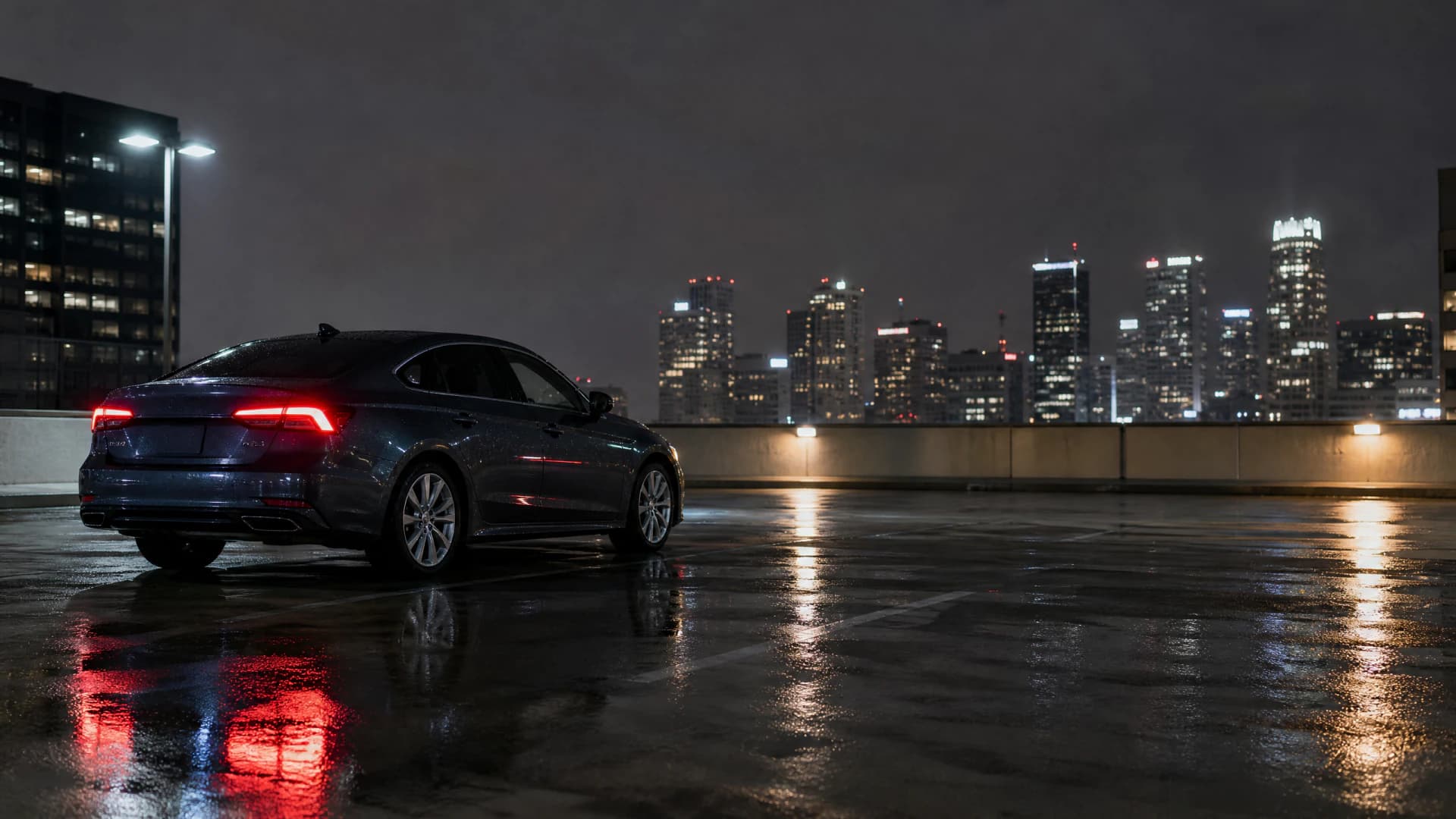
Luxury brands and European imports multiply teen premiums regardless of vehicle age. A 2012 BMW 3-Series costs roughly the same to insure for a teen as a 2020 Accord despite the $8,000–$12,000 purchase price gap because repair labor rates, parts costs, and total loss thresholds all run higher. Audi, Mercedes, Volvo, and Land Rover models all inherit this pattern — even older examples with depreciated values retain the insurance pricing of their original market segment.

Compare Before You Renew
Compare Auto Insurance RatesHow Safety Features and Crash Ratings Actually Affect Teen Premiums
Top Safety Pick and five-star crash ratings correlate with lower premiums but rarely create direct discounts. Most carriers apply a vehicle safety score internally without publishing the methodology, meaning two vehicles with identical IIHS ratings can price differently based on real-world claim data. A 2018 Accord and 2018 Malibu both earn Top Safety Pick status, but the Accord typically costs 8–12% less to insure for teens because historical loss data shows lower claim frequency.
Active safety technology — automatic emergency braking, lane-keeping assist, blind-spot monitoring — triggers modest discounts at most carriers when the features were factory-installed and remain functional. Expect 3–8% premium reductions when these systems are present, but verify the discount applies to teen drivers specifically. Some carriers exclude young drivers from technology discounts during the first policy year under the assumption that inexperienced drivers will generate claims regardless of vehicle intervention systems.
Older vehicles without modern safety features don't necessarily cost less to insure despite lower replacement values. Dropping collision coverage on a $4,000 vehicle saves $50–$80/mo, but liability costs remain identical and comprehensive coverage often stays worthwhile due to theft and weather risk. The total premium on a 2008 Civic with liability-only coverage still runs $100–$140/mo for a teen driver in most states — the safety equipment gap doesn't reduce those base rates.

Coverage Structure Changes That Reduce Premiums More Than Vehicle Swaps
Raising collision and comprehensive deductibles from $500 to $1,000 typically reduces premiums by $30–$50/mo for teen drivers — often delivering better annual savings than switching from a moderately-priced sedan to the absolute cheapest vehicle option. If you can absorb a $1,000 repair cost without financial disruption, this adjustment works on any vehicle and stacks with model-based savings.
Excluding the teen driver from specific vehicles on a multi-car policy prevents the highest-rate vehicle from determining their coverage cost. If you own both a Camry and a pickup truck, formally excluding the teen from the truck through a named-driver exclusion keeps their rate tied to the Camry's risk profile. This requires enforcing the restriction absolutely — any accident while driving the excluded vehicle leaves you fully liable with zero coverage.
Usage-based insurance programs and student discounts provide 10–25% reductions that apply regardless of vehicle choice. Good student discounts require a B average or 3.0 GPA and typically save $15–$40/mo. Telematics programs monitoring speed, braking, and drive time can deliver another $20–$60/mo in savings but require sustained safe driving data over 90–180 days before the full discount applies. These stack with vehicle selection — a good student driving a Civic with telematics active will always underprice a poor student driving a Charger without monitoring.

When to Prioritize Vehicle Cost Over Insurance Savings
If the purchase price difference between your preferred vehicle and the lowest-insurance alternative exceeds $4,000, and you plan to keep the car fewer than four years, the insurance savings rarely close the gap. A $6,000 Accord versus a $10,000 CR-V creates a $4,000 capital difference — even if the Accord saves $40/mo on insurance, you need 100 months of ownership to break even on total cost.
Vehicles with known mechanical reliability problems create downstream costs that overwhelm insurance savings. A $5,000 Dodge Avenger might insure for $20/mo less than a $7,000 Civic, but average annual repair costs on older Avengers run $800–$1,200 higher based on Consumer Reports reliability data. Insurance is one line item in total cost of ownership — false economy emerges when you optimize premium while ignoring maintenance.
Financed vehicles require collision and comprehensive coverage regardless of model choice, which narrows the rate spread between vehicle types. The premium difference between a financed Accord and a financed Escape shrinks to $25–$40/mo because both require full coverage. If you're paying cash and willing to carry liability-only on an older vehicle, the collision/comprehensive drop saves far more than any model-based optimization within the full-coverage category.
Frequently Asked Questions
Does buying an older car for a teen driver lower insurance costs?
Vehicle age affects premium only when you drop collision and comprehensive coverage on cars worth less than $5,000–$6,000. Liability costs — the largest component of teen premiums — stay the same regardless of vehicle year. An old Civic with liability-only costs $100–$140/mo for a teen in most states, while a new Civic with full coverage runs $180–$240/mo — the difference comes from coverage elections, not depreciation.
How much does adding a teen driver increase car insurance premiums?
Do insurance companies offer discounts for teens who complete driver's education?
Most carriers provide driver education discounts ranging from 5–15%, saving approximately $15–$35/mo on teen premiums. The discount typically requires completion of a state-approved course and proof of certificate. Some states mandate the discount by law, while others leave it to carrier discretion — verify availability before enrolling in a paid course solely for insurance savings.
Should I add my teen to my policy or get them a separate policy?
Adding a teen to your existing policy costs 30–50% less than purchasing a standalone policy in their name in nearly all rating scenarios. Standalone teen policies typically run $400–$600/mo because the teen loses multi-car, multi-policy, and tenure discounts. Separate policies only make sense when the parent has serious violations that would increase the teen's rate more than the lost discounts would cost.
What is the cheapest car insurance for a 17-year-old driver?
No single carrier consistently offers the lowest rates for teen drivers across all states and risk profiles. Regional carriers and farm bureaus often underprice national brands by $40–$80/mo for clean-record teens, but rate spreads between carriers widen to $100–$200/mo after any accident or violation. Comparing quotes from at least four carriers — including one regional option — identifies the best current rate for your specific profile.
Related Articles

Cheapest Car Insurance in California by Company
4/2/2026

How to Choose the Right Car Insurance Deductible
4/1/2026

NJ Teen Driver Insurance: Parent Cost Guide
4/5/2026

Teen College Insurance: Keep On Policy or Remove?
4/5/2026

How Often Should You Shop for Car Insurance?
4/2/2026

Missouri Teen Driver Insurance — Parent Cost Guide
4/5/2026