
What Affects Rates in Tuscaloosa
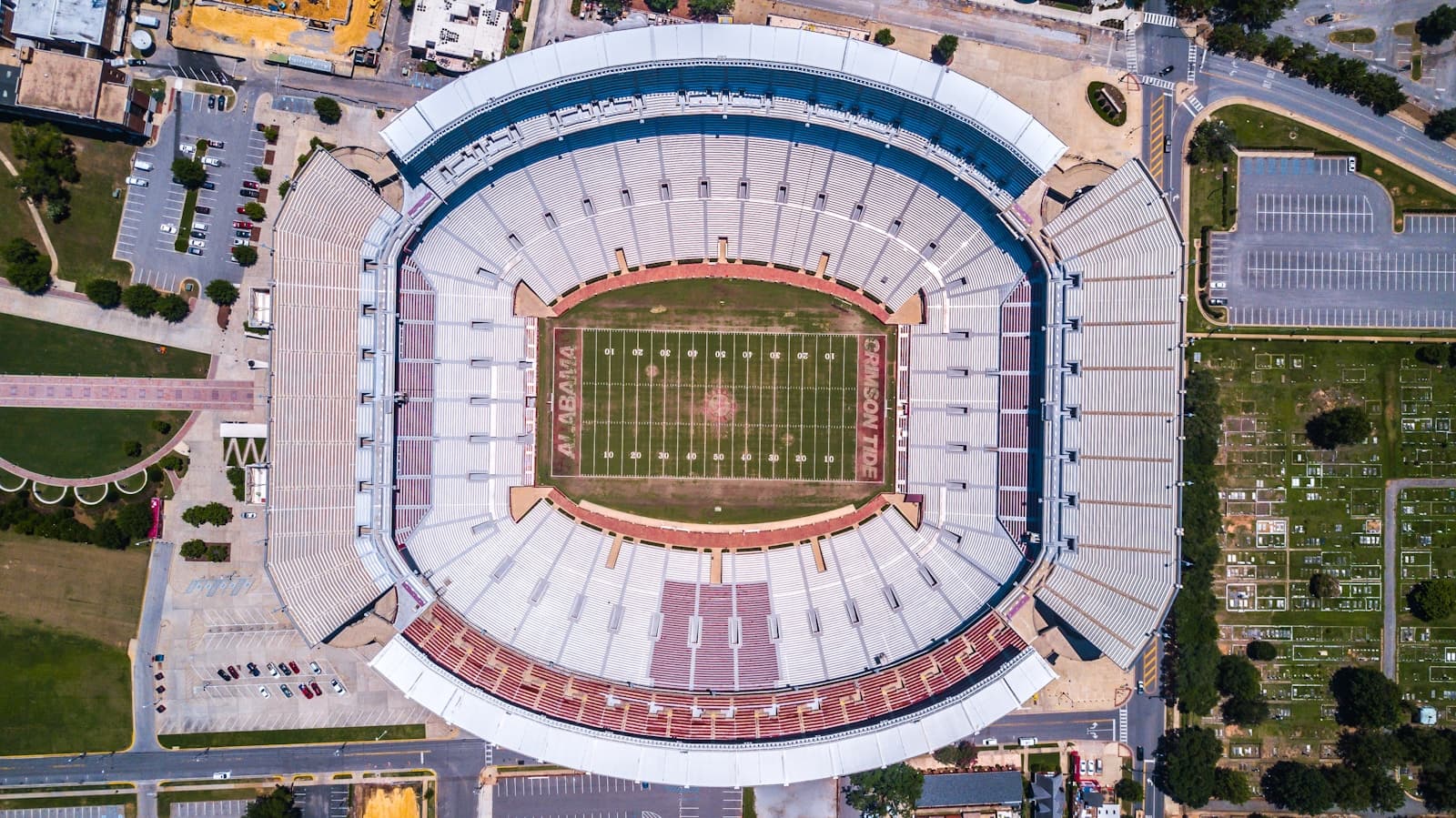
- Game day traffic and student driver concentration around Bryant-Denny Stadium and the Strip significantly elevate accident frequency September through November. The 15th Street and McFarland Boulevard intersection sees increased claims during the academic year. Student renters often carry minimum liability, raising uninsured motorist risk in campus-adjacent ZIP codes 35401 and 35487.
- I-20/I-59 serves as the primary commute artery to Birmingham (60 miles east) and connections to Mississippi, generating high-speed collision risk during peak hours. Highway 82 (McFarland Boulevard) runs the city's commercial spine with constant heavy traffic, strip mall access points, and elevated rear-end collision rates. Cottondale and Northport residents rely on Highway 43 and the Lurleen Wallace Bridge crossings.
- Tuscaloosa sits in a tornado-prone corridor, with the April 2011 EF4 tornado underscoring comprehensive coverage importance for hail and wind damage. Spring storms from March through May bring heavy rain, flash flooding along the Black Warrior River basin, and increased hydroplaning claims. Insurers price comprehensive coverage higher in flood-adjacent neighborhoods near Alberta City and along Rice Mine Road.
- Downtown and University Boulevard areas see higher theft and vandalism claims, raising comprehensive premiums 10-15% over suburban zones. Cottondale and Northport residential areas typically secure lower rates due to reduced density and claim frequency. Newer developments along Hargrove Road East and near Lake Tuscaloosa benefit from lower collision rates and better street lighting.
- Mercedes-Benz U.S. International in nearby Vance draws thousands of shift workers through Tuscaloosa corridors, creating predictable congestion on I-20/I-59 and Highway 11. Commercial vehicle interaction increases accident severity and liability exposure. JH Collectibles, Phifer Wire, and other industrial employers concentrate traffic along I-20/I-59 interchanges.
Compare auto insurance rates in your state
Get matched with licensed carriers in minutes. One short form, real quotes, no obligation.
Get Your Free QuoteCoverage Recommendations
Cost estimates are based on available industry data and vary by driver profile. These are not insurance quotes.
Liability Insurance
Essential on congested McFarland Boulevard and I-20/I-59 corridors where multi-vehicle collisions occur frequently during rush hour and game days.
$450–$750/yearEstimated range only. Not a quote.
Full Coverage
Critical for Tuscaloosa drivers facing tornado and hail damage risk, plus collision exposure on Highway 82 and university-area congestion.
$1,450–$2,100/yearEstimated range only. Not a quote.
Comprehensive Coverage
Tuscaloosa's tornado history and spring hail storms make this essential; downtown areas near campus see elevated vehicle break-in claims.
$320–$550/yearEstimated range only. Not a quote.
Uninsured Motorist Coverage
Student drivers and minimum-liability carriers concentrate near University Boulevard and 15th Street, raising uninsured motorist risk in central Tuscaloosa.
$150–$280/yearEstimated range only. Not a quote.
Collision Coverage
High-value on I-20/I-59 where high-speed crashes and commercial vehicle interactions increase repair costs and total-loss frequency.
$600–$950/yearEstimated range only. Not a quote.