
What Affects Rates in Fairbanks
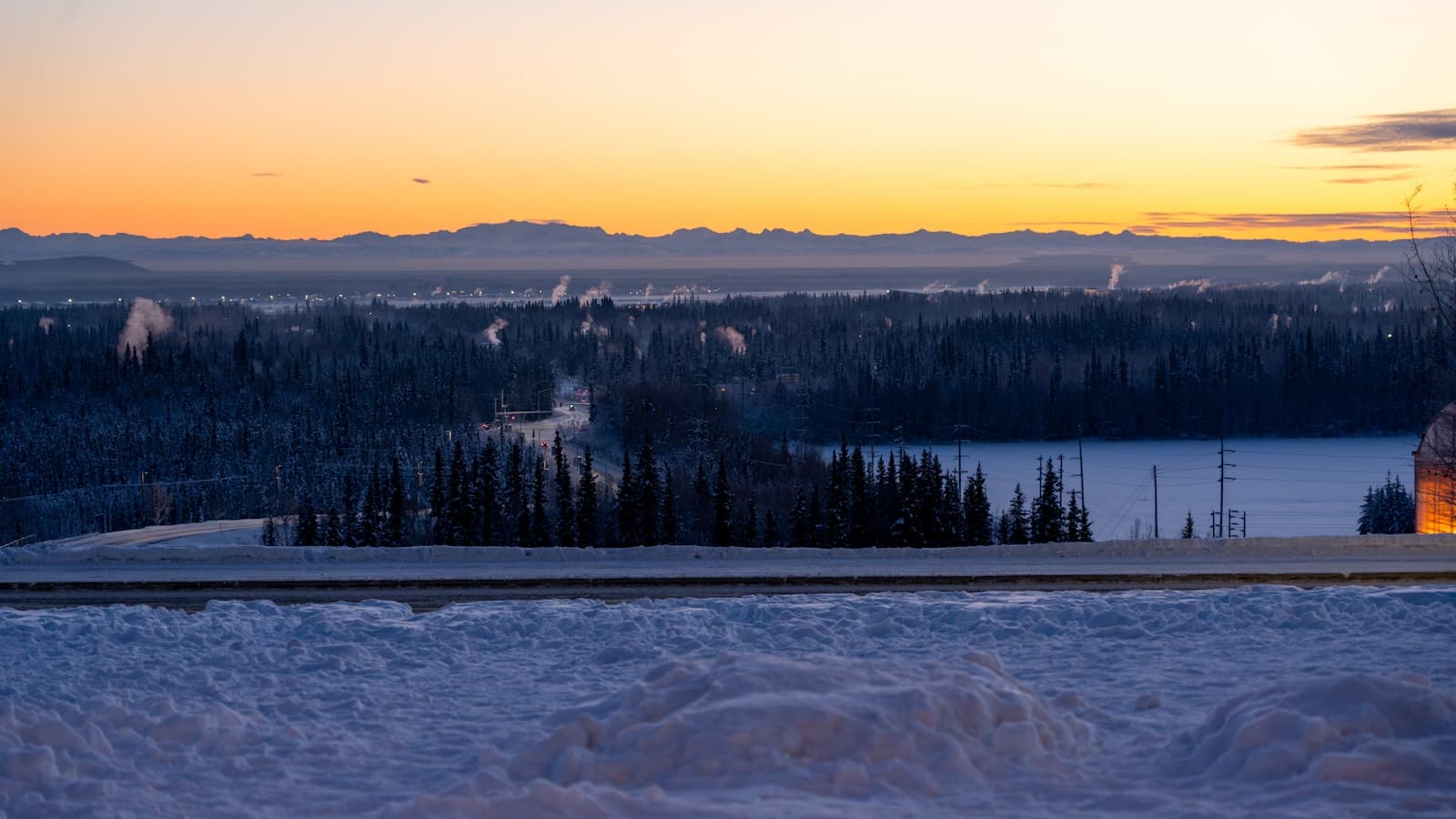
- Fairbanks experiences the coldest urban temperatures in Alaska, with winter averages below -10°F and frequent -30°F to -50°F cold snaps. Comprehensive coverage claims spike from engine block heater failures, frozen fuel lines, and ice fog-related collisions. Battery and starter failures are routine, driving up comprehensive claim frequency compared to milder Alaska cities.
- From November through January, Fairbanks receives less than four hours of daylight, with most commutes occurring in complete darkness. Moose collisions are a significant risk along the Parks Highway, Chena Hot Springs Road, and neighborhoods near the University of Alaska Fairbanks campus. Collision and comprehensive claims from wildlife strikes occur year-round but peak in winter when animals move into plowed areas.
- The Parks Highway (AK-3) is the only road connection between Fairbanks and Anchorage, with year-round commuter traffic and frequent freight hauling. Winter accidents along this corridor can leave drivers stranded in sub-zero temperatures for extended periods. This highway dependency increases comprehensive and collision risk, particularly during November and March transition periods when conditions fluctuate rapidly.
- Fairbanks has fewer body shops and parts suppliers than Anchorage, leading to longer repair times and occasional parts delays for non-common vehicles. This can extend rental car durations and impact total loss settlements. Collision coverage becomes more expensive relative to vehicle value due to these logistical factors.
- Fort Wainwright and Eielson Air Force Base contribute to population turnover, with frequent relocations affecting insurance continuity and driving experience mix. The University of Alaska Fairbanks campus area sees higher student driver density, though the overall city population remains small enough to avoid major congestion issues.
Compare auto insurance rates in your state
Get matched with licensed carriers in minutes. One short form, real quotes, no obligation.
Get Your Free QuoteCoverage Recommendations
Cost estimates are based on available industry data and vary by driver profile. These are not insurance quotes.
Liability Insurance
Essential for Parks Highway commuters, where multi-vehicle winter pileups and tourist traffic create elevated liability exposure during summer and winter peak seasons.
$400–$700/yearEstimated range only. Not a quote.
Full Coverage
Recommended for Fairbanks drivers due to high moose collision risk, extreme cold damage, and the value protection needed when repair timelines extend due to parts availability.
$1,100–$1,600/yearEstimated range only. Not a quote.
Comprehensive Coverage
Critical in Fairbanks for moose strikes along Chena Hot Springs Road and Steese Highway, plus cold-related damage including frozen engine blocks and ice fog impacts.
$300–$500/yearEstimated range only. Not a quote.
Collision Coverage
Valuable for winter driving on black ice-prone roads like Airport Way and during spring breakup when frost heaves create sudden road hazards.
$400–$700/yearEstimated range only. Not a quote.
Uninsured Motorist
Important in Fairbanks where remote highway driving and seasonal workers contribute to higher uninsured rates than urban Alaska areas.
$150–$250/yearEstimated range only. Not a quote.