What Affects Rates in Middletown
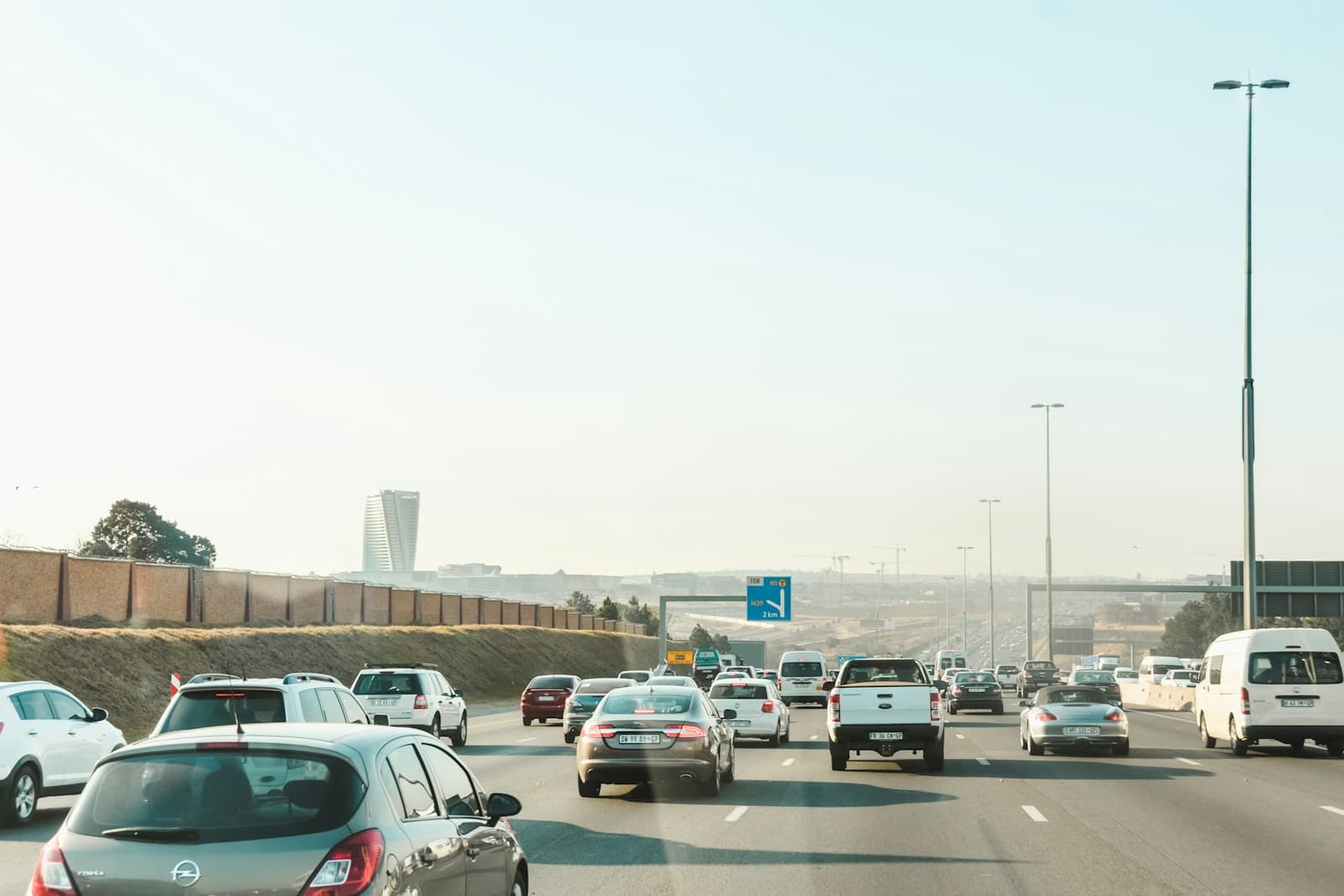
- Route 301 serves as Middletown's primary north-south artery, carrying commuters to Wilmington and Dover alongside commercial truck traffic. Higher speed limits and truck volume create elevated accident exposure compared to residential streets. Comprehensive coverage addresses debris and multi-vehicle collision risks common on this corridor.
- Middletown's population has tripled since 2000, with new developments like Whitehall and Odessa National expanding the residential footprint. Newer subdivisions often qualify for modest rate reductions due to modern infrastructure and lower crime density. Older central neighborhoods near Main Street show different risk profiles tied to street parking and higher pedestrian activity.
- Middletown's inland location brings winter ice storms that shut down Route 301 and cause multi-car pileups. Summer severe thunderstorms produce hail that damages vehicles, particularly in open parking areas at St. Georges retail centers. Comprehensive coverage is essential for weather-related damage common in this microclimate.
- Proximity to I-95 via Route 896 and Route 301 increases exposure to highway-speed accidents and cross-state traffic. Drivers commuting to Delaware City or Newark face longer trip distances that slightly elevate annual mileage ratings. This highway dependency keeps liability costs moderate but steady.
- The Route 301 commercial strip between Middletown and Odessa concentrates retail traffic with frequent turning movements and parking lot ingress. Shopping centers near Middletown Warwick Road see higher fender-bender frequency during peak hours. Collision coverage addresses costs from these low-speed but common incidents.
Compare auto insurance rates in your state
Get matched with licensed carriers in minutes. One short form, real quotes, no obligation.
Get Your Free QuoteCoverage Recommendations
Cost estimates are based on available industry data and vary by driver profile. These are not insurance quotes.
Liability Insurance
Essential for Route 301 and Route 896 commuters facing higher-speed accident exposure with potential for serious claims.
$55–$90/moEstimated range only. Not a quote.
Full Coverage
Recommended for financed vehicles given Middletown's winter ice storm risk and Route 301 truck traffic collision exposure.
$120–$180/moEstimated range only. Not a quote.
Comprehensive Coverage
Addresses hail damage from summer storms and deer strikes on rural stretches of Route 301 south of town.
$30–$50/moEstimated range only. Not a quote.
Collision Coverage
Protects against repair costs from Route 301 corridor accidents and parking lot incidents at Middletown shopping centers.
$45–$75/moEstimated range only. Not a quote.
Uninsured Motorist Coverage
Valuable given cross-state traffic on Route 301 and varying insurance compliance among out-of-state commercial drivers.
$15–$30/moEstimated range only. Not a quote.