What Affects Rates in Auburn
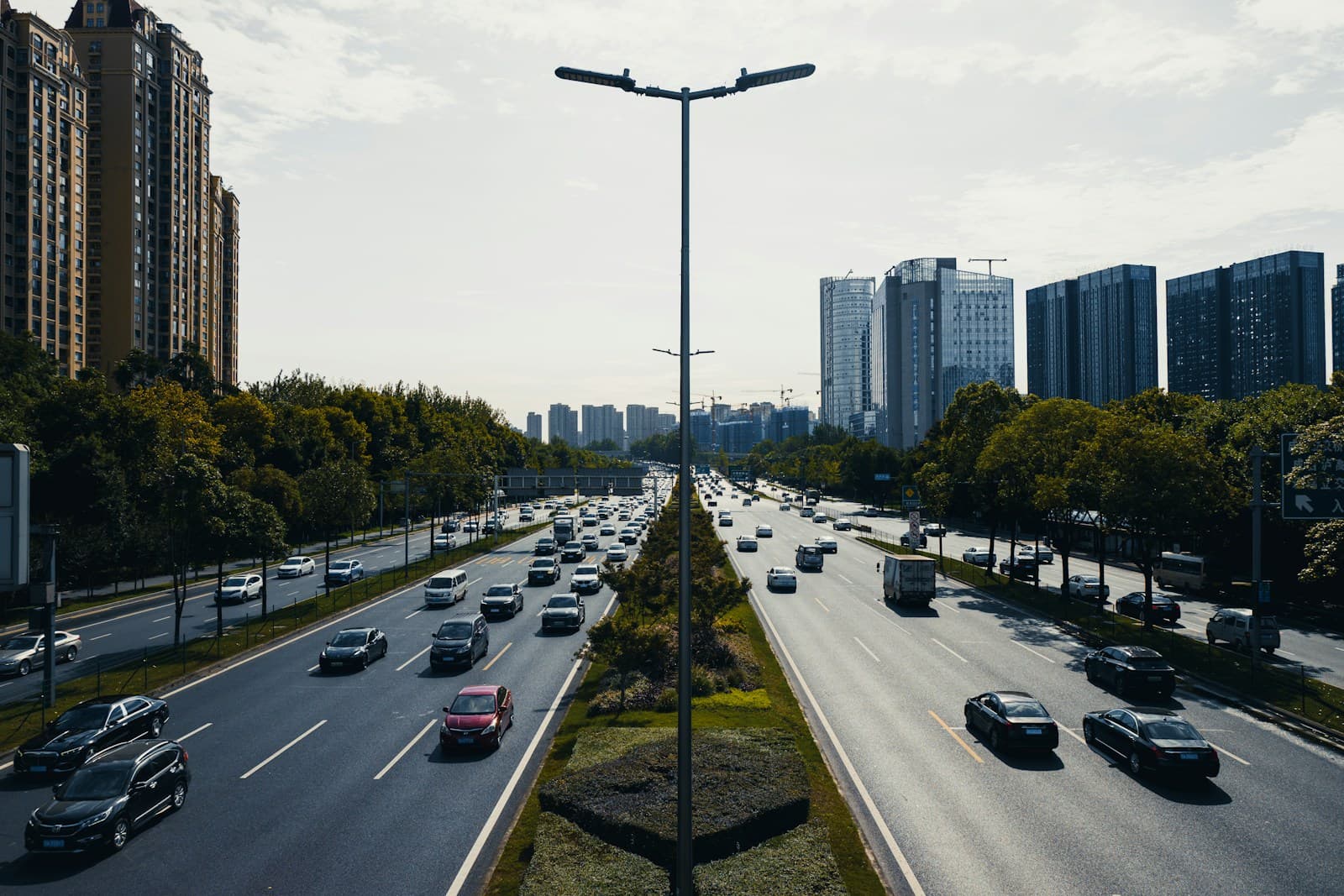
- Route 4 serves as Auburn's primary north-south artery, carrying daily commuter traffic between Portland and inland communities. Congestion peaks during morning and evening rushes near the Center Street intersection and Maine Turnpike access points. Collision frequency on this corridor directly affects comprehensive and collision premiums for drivers using it regularly.
- Auburn's connection to Lewiston via bridges on Center Street and Court Street creates concentrated traffic patterns and elevated accident risk during winter months. Ice and snow accumulation on bridge decks contributes to seasonal collision rates. Drivers crossing daily should prioritize collision coverage given the higher exposure.
- East Auburn's residential neighborhoods along Riverside Drive and Lake Auburn areas typically see 10–15% lower rates than downtown zones near Court Street and Main Street. Downtown concentrations of parking lots, foot traffic, and commercial activity increase minor accident and vandalism claims. Address-level rate variation is significant across the city.
- Auburn averages 65–75 inches of snow annually, with frequent freeze-thaw cycles creating black ice on shaded roads and elevated sections. Route 202 and Turner Street see higher winter accident rates. Comprehensive coverage becomes critical for those without garage parking, as ice storms cause significant glass and body damage.
- Auburn shares a border and economic ties with Lewiston, which has higher theft and uninsured motorist rates due to denser population and greater economic variation. Auburn drivers working or shopping in Lewiston face increased exposure, particularly near Lisbon Street corridors. This adjacency prevents Auburn rates from dropping to purely suburban levels.
Compare auto insurance rates in your state
Get matched with licensed carriers in minutes. One short form, real quotes, no obligation.
Get Your Free QuoteCoverage Recommendations
Cost estimates are based on available industry data and vary by driver profile. These are not insurance quotes.
Liability Insurance
Critical for Auburn drivers navigating congested Route 4 intersections and winter bridge crossings where multi-vehicle accidents are more common.
$45–75/moEstimated range only. Not a quote.
Full Coverage
Recommended for Auburn commuters on Route 4 and those financing vehicles, given winter weather and Androscoggin bridge accident frequency.
$95–165/moEstimated range only. Not a quote.
Comprehensive Coverage
Essential for Auburn drivers parking outdoors during ice storms and those in deer-prone areas near Lake Auburn and rural fringe roads.
$25–45/moEstimated range only. Not a quote.
Collision Coverage
Valuable for Auburn drivers using Route 4 daily and navigating winter conditions on Turner Street and Route 202 where seasonal accident rates spike.
$50–90/moEstimated range only. Not a quote.
Uninsured Motorist
Relevant given Auburn's border with Lewiston, where uninsured rates are higher, and cross-border shopping and work commutes are routine.
$10–20/moEstimated range only. Not a quote.