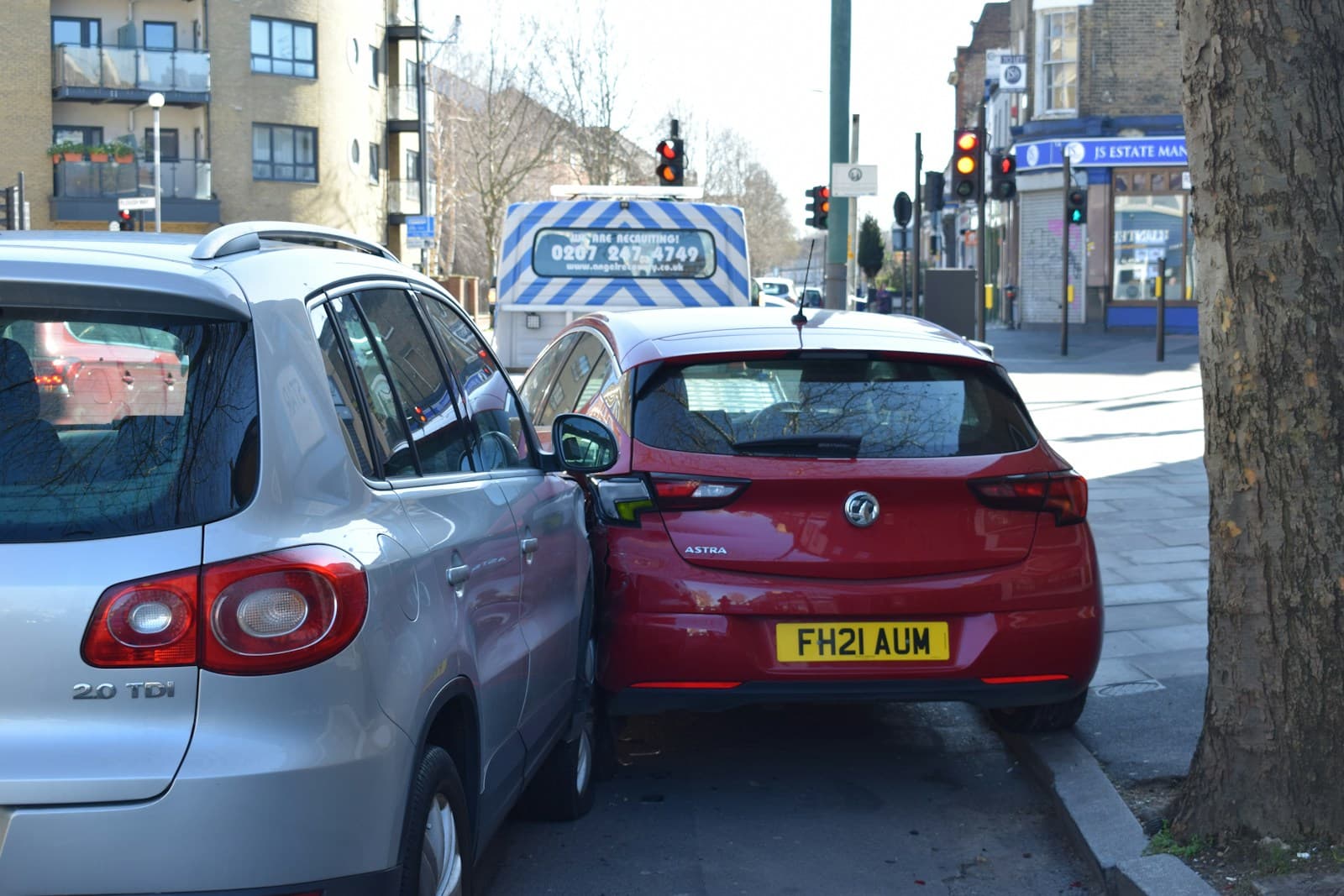
What Affects Rates in Bozeman
- Montana State University brings 16,000+ students, creating elevated collision risk near campus on South 19th Avenue and around downtown parking. Student drivers and high pedestrian activity between Kagy Boulevard and Main Street contribute to higher rates in the 59715 and 59717 zip codes. Liability claims spike during academic year months.
- Bozeman averages 86 inches of snow annually, with black ice common on Bridger Drive and Highway 191 from November through March. Hailstorms sweep through the valley each summer, particularly affecting vehicles parked near the airport and Four Corners. Comprehensive coverage sees heavy use from May hail events and winter weather damage.
- Interstate 90 through Bozeman carries increasing commercial and commuter traffic between Billings and Missoula, with congestion building at the North 7th Avenue and Jackrabbit Lane interchanges. Four Corners has seen collision rates climb 30% since 2020 as development spreads west. Rush hour backups now extend from Belgrade to the Bozeman Pass exit.
- Deer and elk crossings concentrate on Highway 86 toward Bridger Bowl, Hyalite Canyon Road, and rural sections of Huffine Lane after dark. Montana Highway Patrol reports over 200 wildlife strikes annually in Gallatin County, with comprehensive claims peaking during fall migration. Uninsured motorist coverage matters as rural commuters often carry minimum limits.
- Vehicle theft and catalytic converter theft have increased in Bozeman's north side near the fairgrounds and along Main Street as population nears 55,000. Comprehensive coverage costs reflect this uptick, particularly for trucks and SUVs common in the market. Secure parking downtown and near MSU reduces but doesn't eliminate risk.
Compare auto insurance rates in your state
Get matched with licensed carriers in minutes. One short form, real quotes, no obligation.
Get Your Free QuoteCoverage Recommendations
Cost estimates are based on available industry data and vary by driver profile. These are not insurance quotes.
Liability Insurance
Essential for MSU campus areas and downtown where pedestrian activity and parking lot incidents create liability exposure.
$45–$75/moEstimated range only. Not a quote.
Full Coverage
Recommended for Bozeman given I-90 collision risk, Gallatin Valley hail damage, and wildlife strikes on Bridger Canyon and Hyalite roads.
$95–$165/moEstimated range only. Not a quote.
Comprehensive Coverage
Critical for Bozeman drivers facing summer hailstorms, deer collisions on Highway 86, and rising theft rates near downtown and fairgrounds.
$25–$50/moEstimated range only. Not a quote.
Collision Coverage
Valuable on congested North 19th Avenue, icy Bridger Drive conditions, and I-90 where traffic volume has increased with Four Corners expansion.
$40–$80/moEstimated range only. Not a quote.
Uninsured Motorist Coverage
Relevant as rural commuters entering Bozeman from Park and Madison counties often carry only minimum liability limits.
$15–$30/moEstimated range only. Not a quote.