What Affects Rates in Grand Island
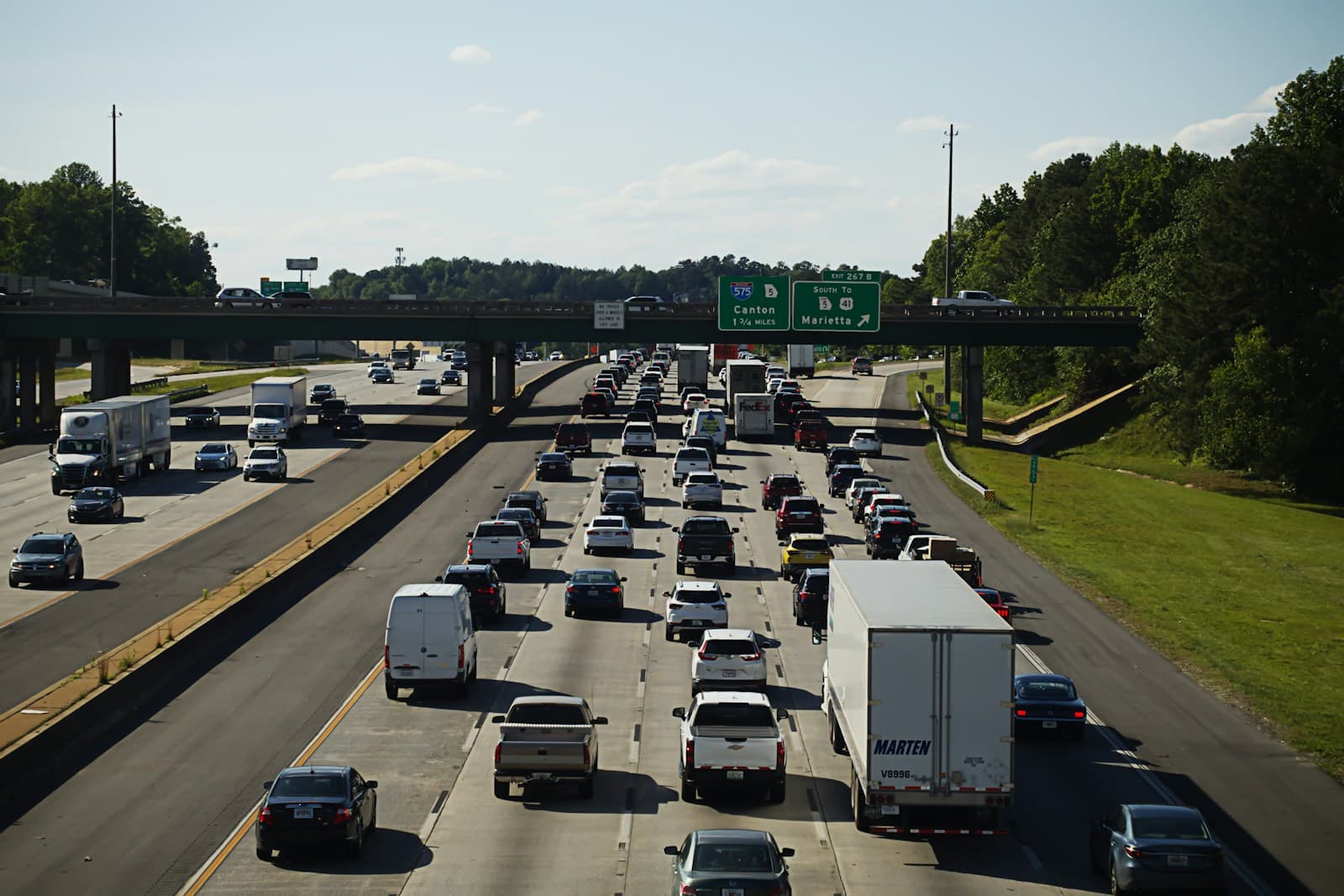
- The Interstate 80 corridor through Grand Island sees heavy commercial truck traffic and out-of-state travelers, particularly around the US-281 interchange and Stuhr Road exits. Accidents involving commercial vehicles cluster near these high-volume areas, and carriers price comprehensive coverage 10–15% higher for drivers living within two miles of the corridor. Neighborhoods south of I-80 near Locust Street typically see lower premiums.
- Highway 281 carries significant agricultural equipment during planting and harvest seasons, creating slow-moving obstacles and debris hazards from March through October. Collision claims spike 20–25% during these periods on rural-urban transition zones along Highway 34 and Old Potash Highway. Drivers commuting on these routes face marginally higher comprehensive rates due to windshield and undercarriage damage frequency.
- Grand Island sits in Nebraska's central hail belt, with Hall County averaging 3–4 severe hail events annually between April and July. The 2019 hailstorm alone generated over $40 million in vehicle damage claims citywide. Comprehensive coverage costs reflect this history, running 18–22% above the state average, with deductible selection critically impacting annual premiums.
- Hall County's uninsured motorist rate runs approximately 11–13%, slightly above Nebraska's statewide 10% average, driven by transient agricultural workforce patterns and proximity to I-80. Carriers recommend higher uninsured/underinsured motorist limits for Grand Island residents, particularly those commuting during peak harvest labor periods.
- Higher pedestrian and vehicle density around downtown Third Street and the North Road commercial corridor increases collision frequency. Property crime rates in ZIP 68801 near downtown run 15% above the city average, elevating comprehensive premiums for theft and vandalism coverage. Parking in secured areas can reduce rates by 5–8%.
Compare auto insurance rates in your state
Get matched with licensed carriers in minutes. One short form, real quotes, no obligation.
Get Your Free QuoteCoverage Recommendations
Cost estimates are based on available industry data and vary by driver profile. These are not insurance quotes.
Liability Insurance
I-80 commercial traffic and higher uninsured motorist rates make 100/300/100 limits common among Grand Island drivers.
$45–$75/moEstimated range only. Not a quote.
Full Coverage
Essential for Grand Island's hail exposure and I-80 corridor accident frequency; most financed vehicles require it.
$95–$165/moEstimated range only. Not a quote.
Comprehensive Coverage
Grand Island's hail corridor history makes this coverage 18–22% more expensive than state average; low deductibles significantly increase premiums.
$35–$60/moEstimated range only. Not a quote.
Collision Coverage
Highway 281 agricultural traffic and I-80 interchange congestion drive higher claim frequency during peak seasons.
$40–$70/moEstimated range only. Not a quote.
Uninsured Motorist
Hall County's 11–13% uninsured rate and I-80 transient traffic make this recommended coverage for local drivers.
$10–$25/moEstimated range only. Not a quote.