What Affects Rates in Dover
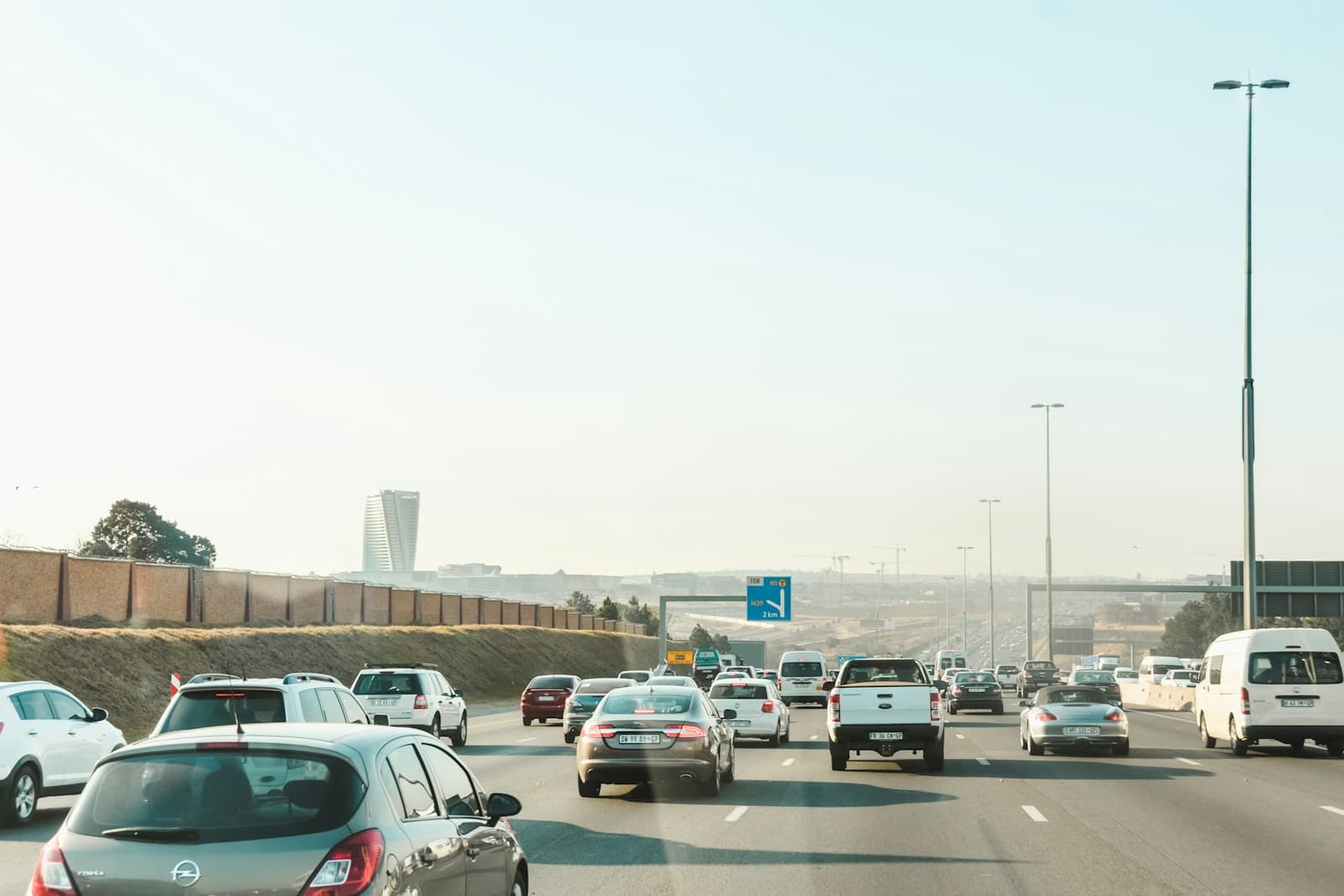
- Route 16 serves as Dover's primary commute artery to Portsmouth, Durham, and Rochester, with high speeds and heavy volume during peak hours. Accident frequency on the Spaulding Turnpike, particularly near Exit 9 (Dover Point) and the Route 108 interchange, factors into collision coverage pricing. Winter weather creates additional hazards on this corridor between November and March.
- Downtown Dover along Central Avenue and Washington Street sees moderate vehicle-pedestrian interaction and parking-related claims, but rates remain lower than Portsmouth's urban core. Residential areas like Rollinsford border and Garrison Hill experience fewer claims due to lower traffic density. Theft rates remain minimal across Dover neighborhoods, keeping comprehensive premiums low.
- Dover receives 50–60 inches of snow annually, affecting claims November through March along Route 16, Route 9, and secondary roads. Ice storms periodically impact the Cocheco River valley, creating hazardous conditions on underpasses and bridges. Comprehensive coverage claims spike during nor'easters, which can bring heavy snow and coastal flooding to low-lying areas near Dover Point.
- Dover's proximity to UNH Durham (10 miles) brings seasonal traffic fluctuations during academic calendar periods. Commuter patterns shift between Route 16, Route 108, and Route 4, with congestion concentrated during 7–9 AM and 4–6 PM. The mix of local residents and through-traffic to Portsmouth creates moderate collision frequency compared to rural Strafford County towns.
Compare auto insurance rates in your state
Get matched with licensed carriers in minutes. One short form, real quotes, no obligation.
Get Your Free QuoteCoverage Recommendations
Cost estimates are based on available industry data and vary by driver profile. These are not insurance quotes.
Liability Coverage
Essential for Route 16 commuters and downtown Dover drivers navigating Central Avenue traffic.
$45–$75/moEstimated range only. Not a quote.
Full Coverage
Recommended for Dover drivers financing vehicles or commuting daily on the Spaulding Turnpike.
$95–$165/moEstimated range only. Not a quote.
Comprehensive Coverage
Protects against winter storm damage and wildlife strikes common on Route 9 and Route 108 corridors.
$25–$45/moEstimated range only. Not a quote.
Collision Coverage
Critical for high-speed Spaulding Turnpike commutes where rear-end and merge accidents occur frequently.
$50–$95/moEstimated range only. Not a quote.
Uninsured Motorist Coverage
Valuable in Dover given New Hampshire's lack of mandatory insurance requirements statewide.
$15–$30/moEstimated range only. Not a quote.